
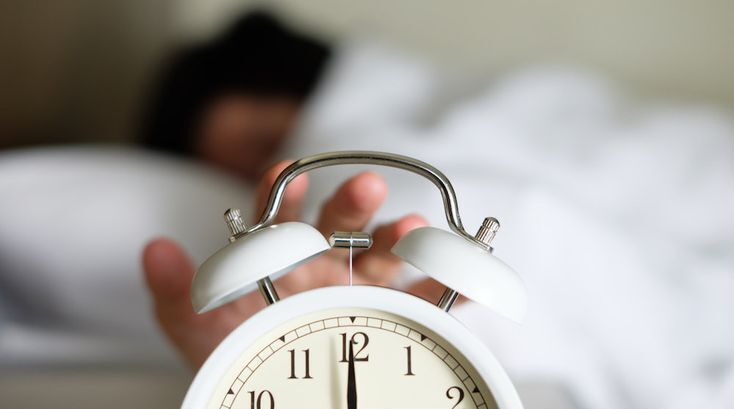
On Sunday, March 8, 2026, clocks “spring forward” one hour for Daylight Saving Time. While gaining extra evening light can feel energizing, losing an hour of sleep can throw off your circadian rhythm, energy, and focus — especially that Monday morning.
Here’s how to prepare now so the transition feels smoother:
1. Start shifting your schedule this week
Beginning on Wednesday or Thursday before, go to bed 15–20 minutes earlier each night. Gradual adjustment helps your body clock adapt rather than feeling shocked by a sudden one-hour jump.
2. Plan for Saturday night
On March 7, the night before, avoid staying up late. Keep your usual wind-down routine, dim lights earlier than normal, and aim to be in bed a little before your adjusted bedtime.
3. Get sunlight first thing Sunday morning
Morning light on March 8 is key. Step outside within 30–60 minutes of waking to help reset your internal clock. And yes, this works even on cloudy or rainy days!
4. Be mindful of caffeine and alcohol
Limit caffeine after early afternoon on Saturday and Sunday. Both caffeine and alcohol can disrupt sleep quality and make the adjustment harder.
5. Support your nervous system
Light movement, gentle stretching, hydration, and stress-reducing care (like massage, chiropractic, or acupuncture) can help your body regulate during the shift.
Even a one-hour change matters. A little intention this week can make March 8 feel far less disruptive!
Sources:
- American Academy of Sleep Medicine (AASM)
- Centers for Disease Control and Prevention (CDC)
- Sleep Foundation (2023)
- National Institutes of Health (NIH)

admin
Contact Me


.png)
